

UnderstAnding the Issue
The first step is to identify the root cause of the "Access Denied" error. This usually occurs when a user or group does not have the necessary permissions to access a shared resource. To resolve this, you need to:
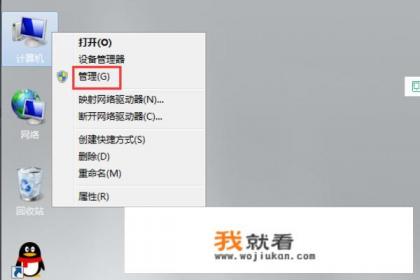
Checking Computer Configuration
- Ensure your computer is connected to a network that allows multiple users to access shared resources.
- Restart your computer if it was not already running.
Managing Network Access
- Turn off Power Management to reduce energy consumption.
- Restart your computer to ensure all hardware components are fully booted.
- Reboot your computer if it is not already running.
Setting Up Proper Access Rules
- Open the Device Manager and locate your computer's USB Root Hub.
- Enable Simple File Sharing if it is not already enabled.
- For each USB Root Hub, disable Power Management to conserve power.
- Update all USB Root Hub drivers to their latest versions.
Updating Device Drivers
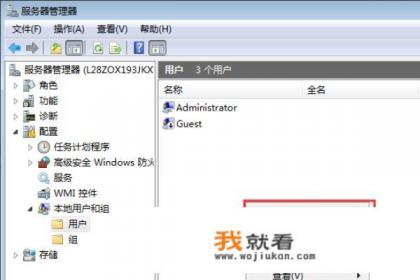
If you have Windows devices, ensure they are up to date by visiting the Windows Update page.
Expanding Your Access Priority
- Enable Group Policy if it is not already enabled.
- Select the groups you want to include in your access priority.
- Add the new group if it was not already added.
Creating a Group Policy
- Navigate to Group Policy in the Control Panel.
- Click on General and select Add Group Policy.
- Add the group you have expanded.
- Click Save to save the changes.
Activating the Group Policy
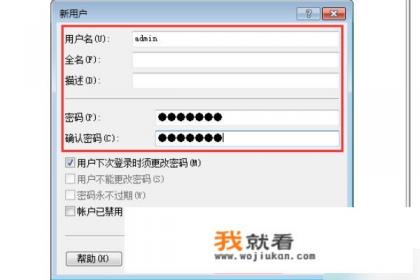
- Click OK in the Group Policy settings.
- Restart your computer to apply the changes.
Testing the Group Policy
- Log in to the shared resource using the username and password you set.
- Ensure the shared resource has the correct permissions.
- Test access to the shared resource to confirm it works.
Troubleshooting
- If the issue persists, check for updates or report it to a support team.
0